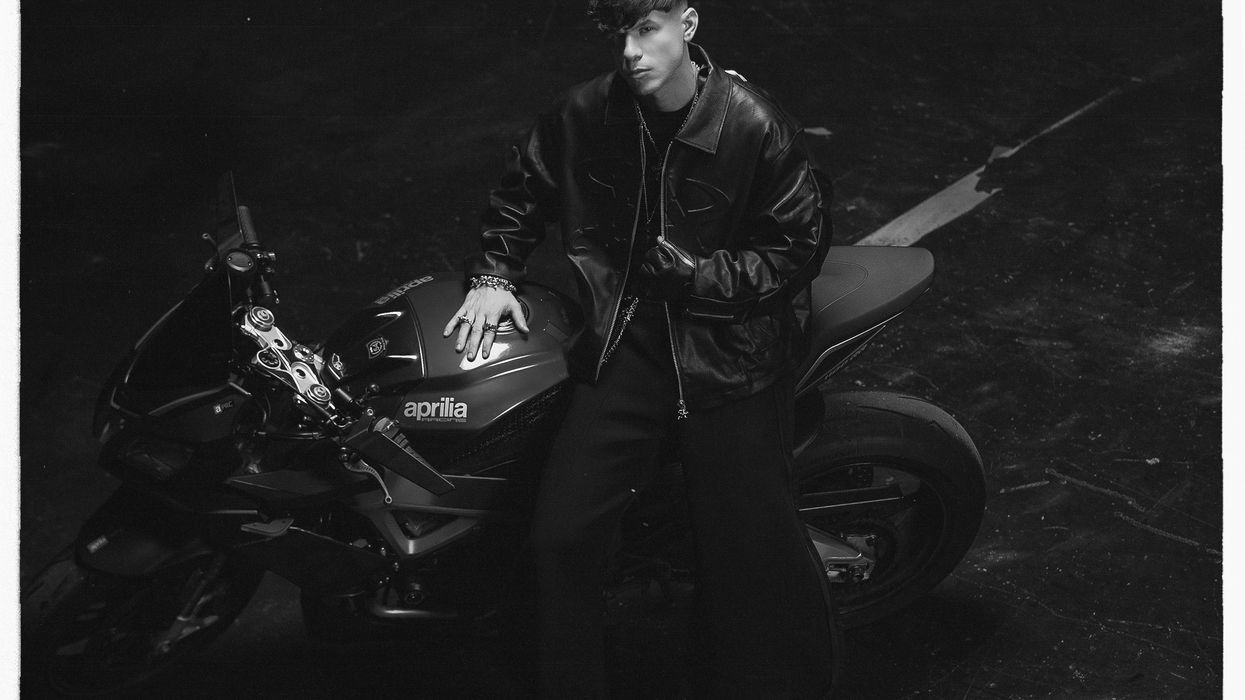
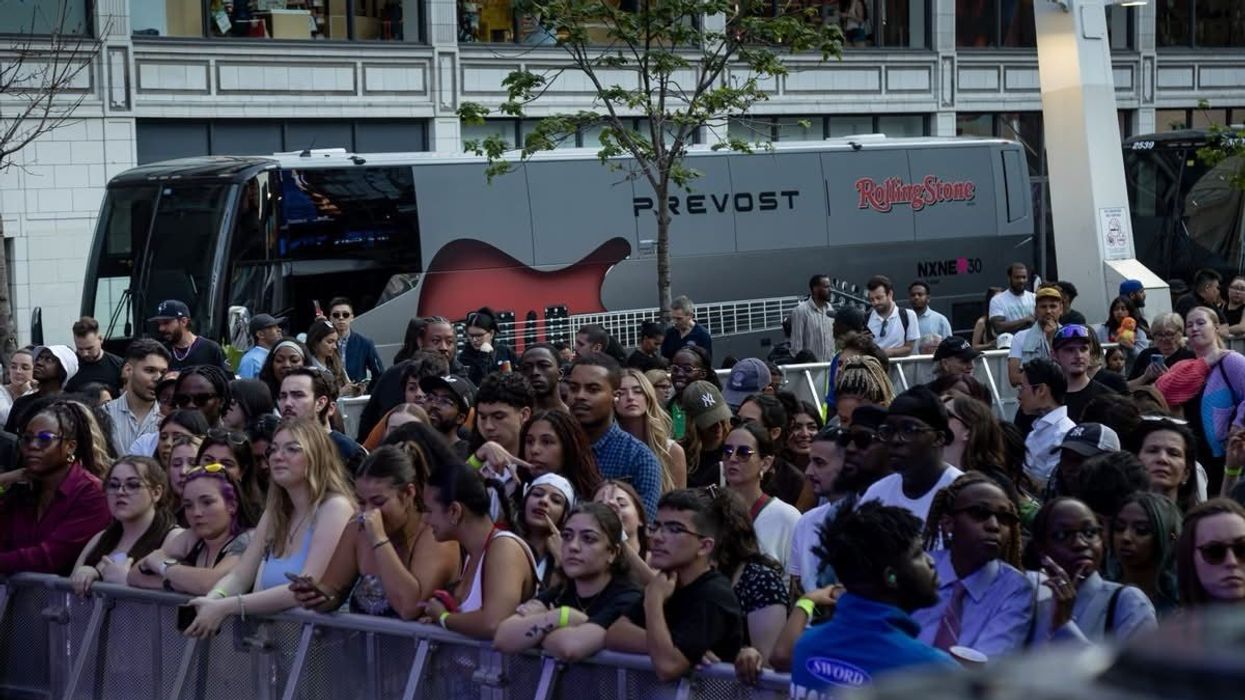
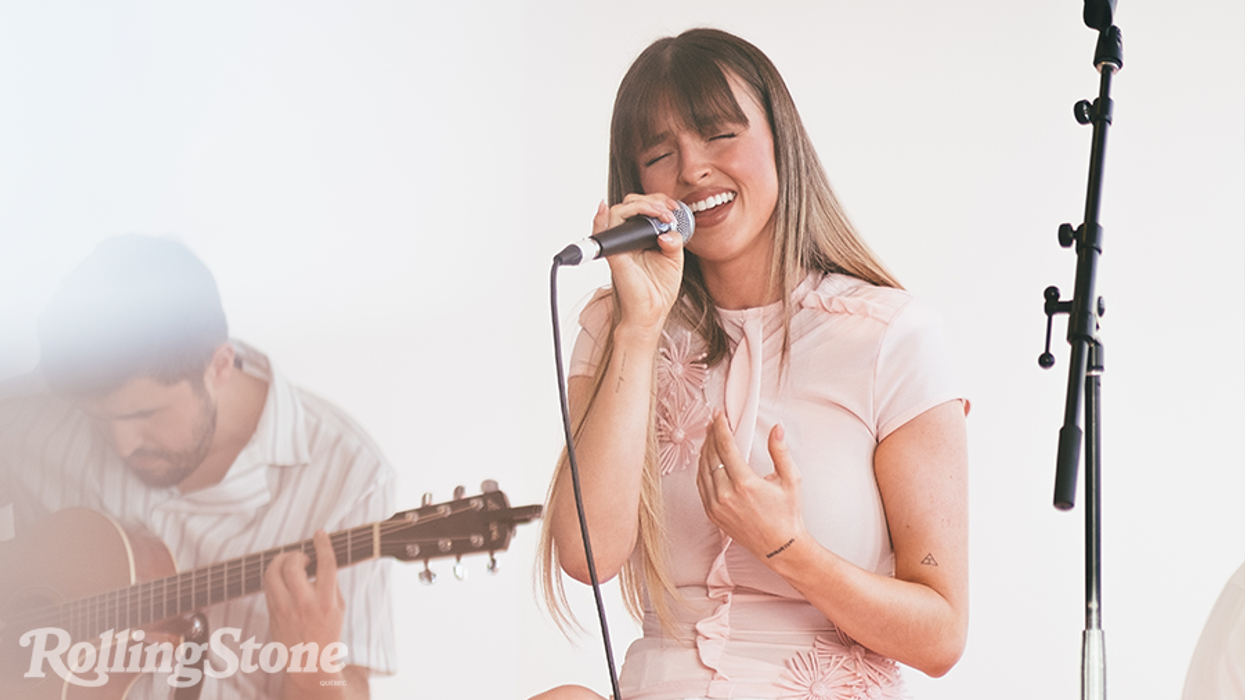
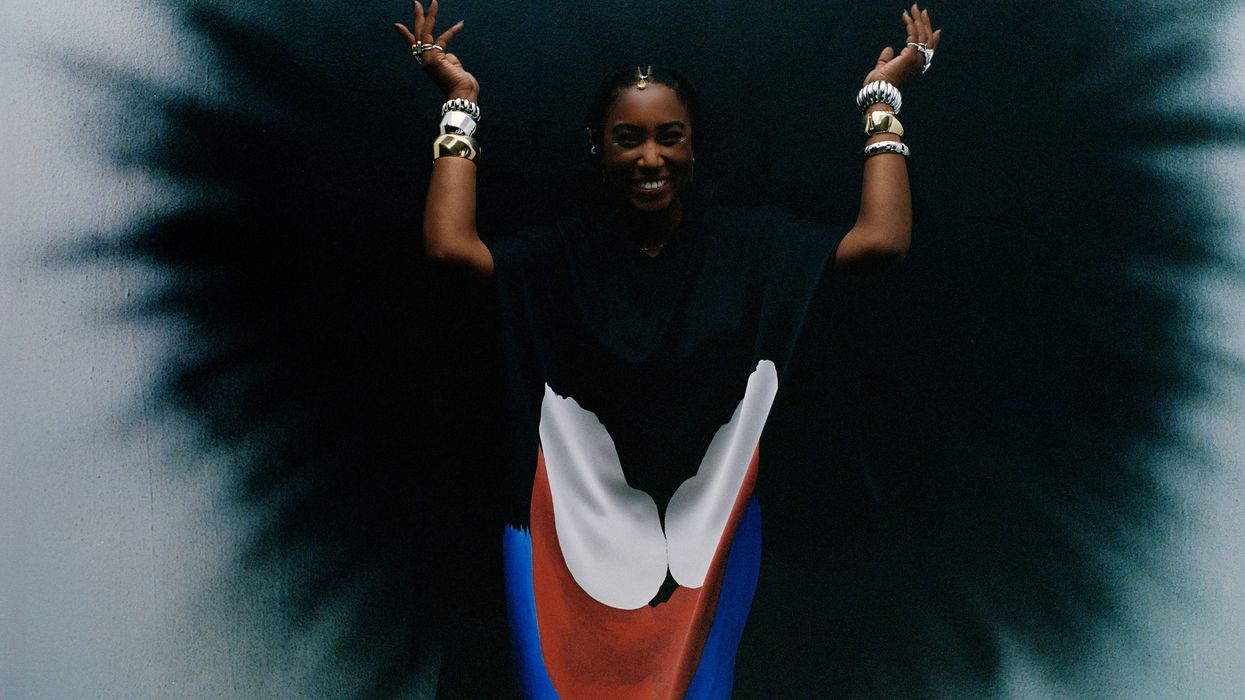
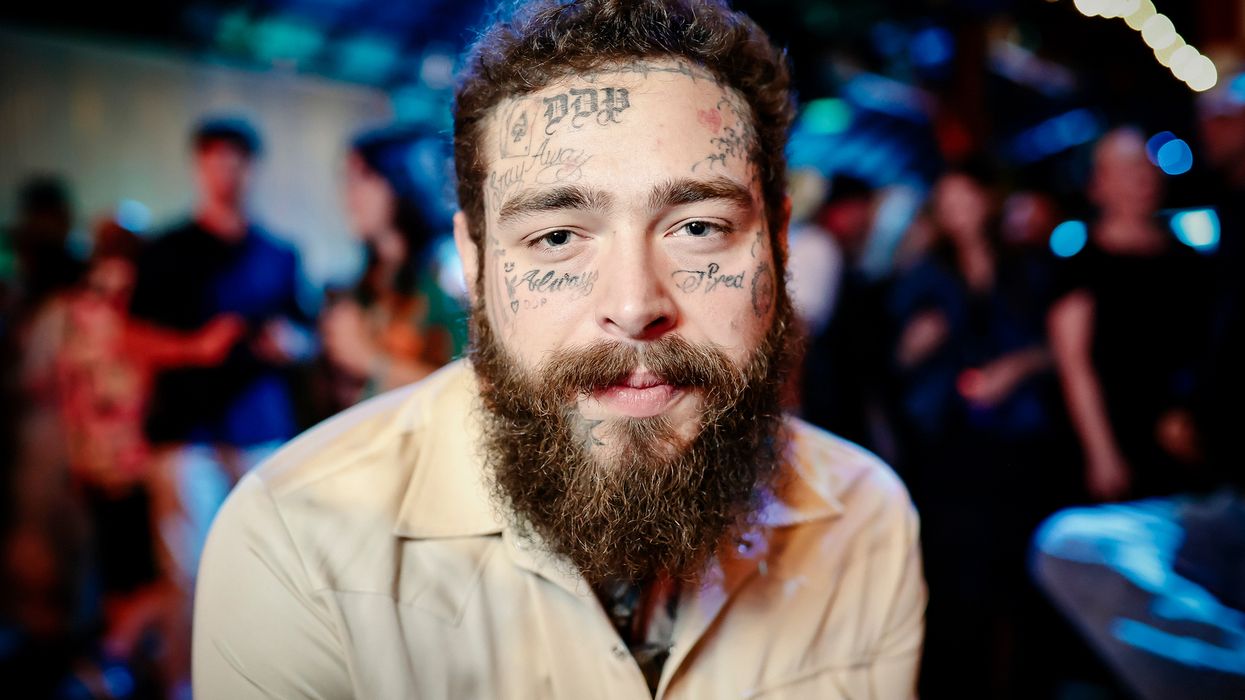
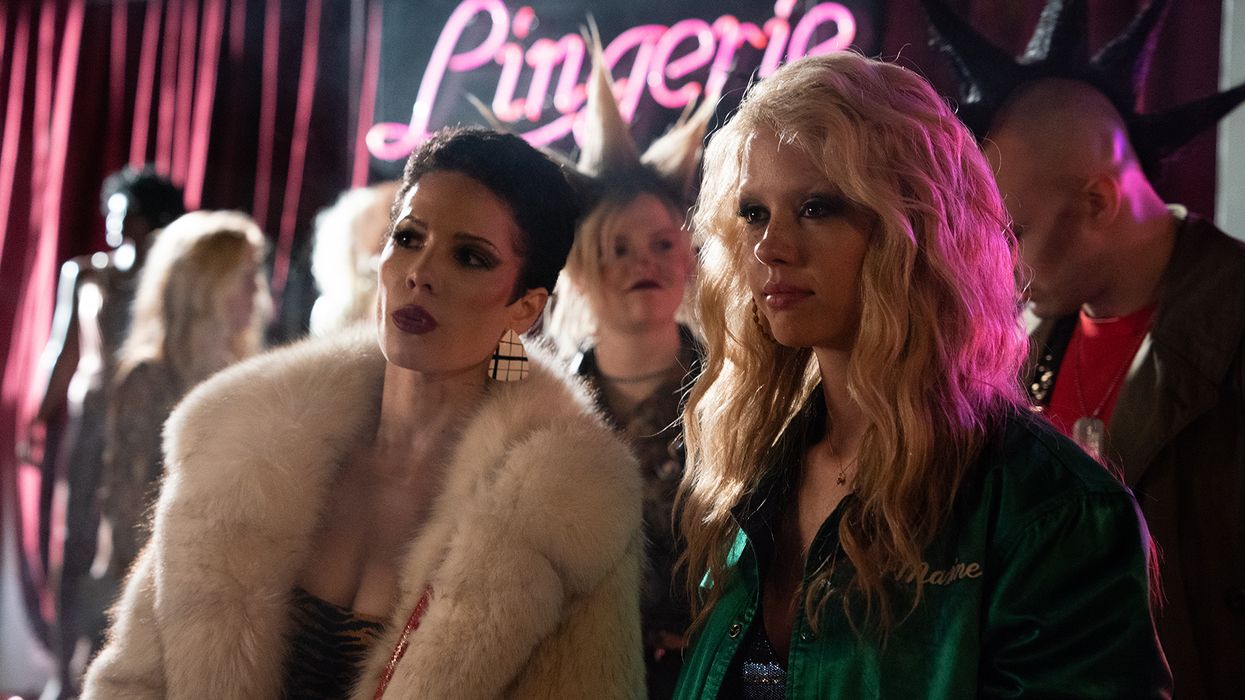
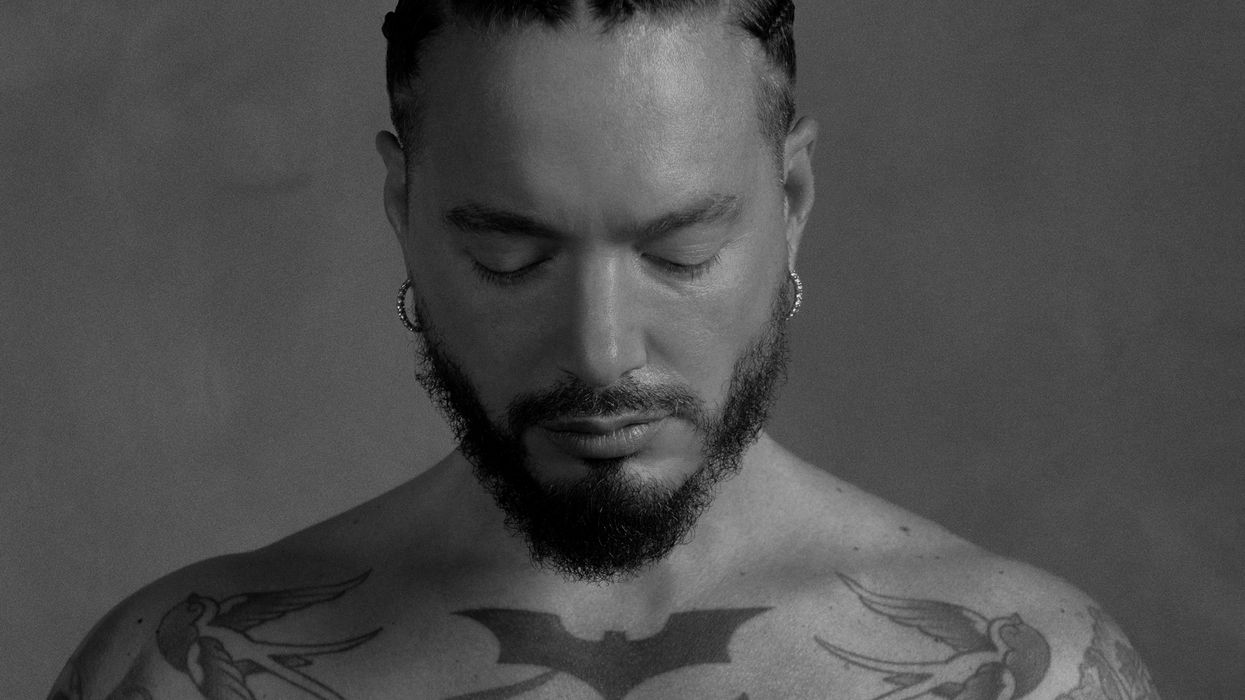
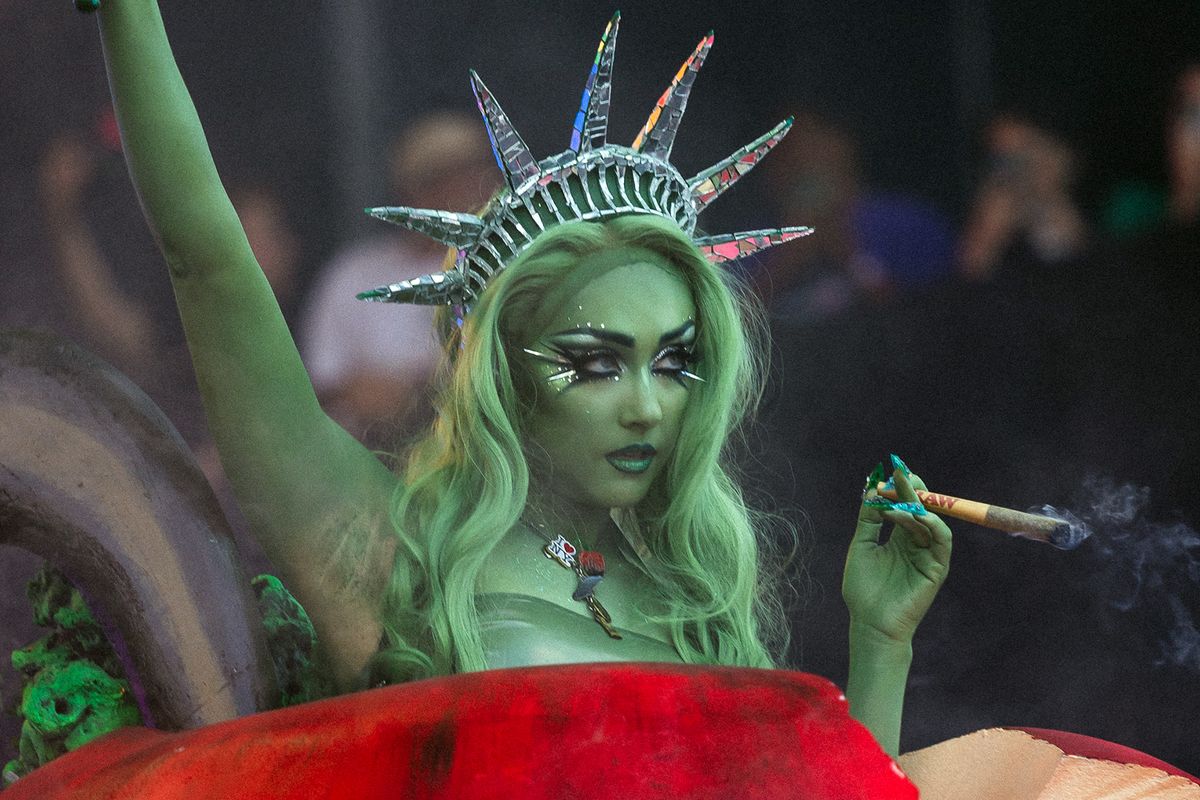
Governors Ball took over Flushing Meadow-Corona Park in Queens, New York, from June 7-9, featuring good weather, great vibes, and a cavalcade of stars: Post Malone, Rauw Alejandro, P1Harmony, Blondshell, 21 Savage, Sabrina Carpenter, Doechii, Sexyy Red, Chappell Roan, Faye Webster, Peso Pluma and many more. Our photographers were on the ground to catch some of the best moments onstage, backstage, and in the crowd. Take a look.
Search
Don’t Miss Out
Journalism that matters. Music that inspires.
Most Popular
More Stories
NXNE Launches 30th Anniversary with Immersive Rock Odyssey
Jun 03, 2025
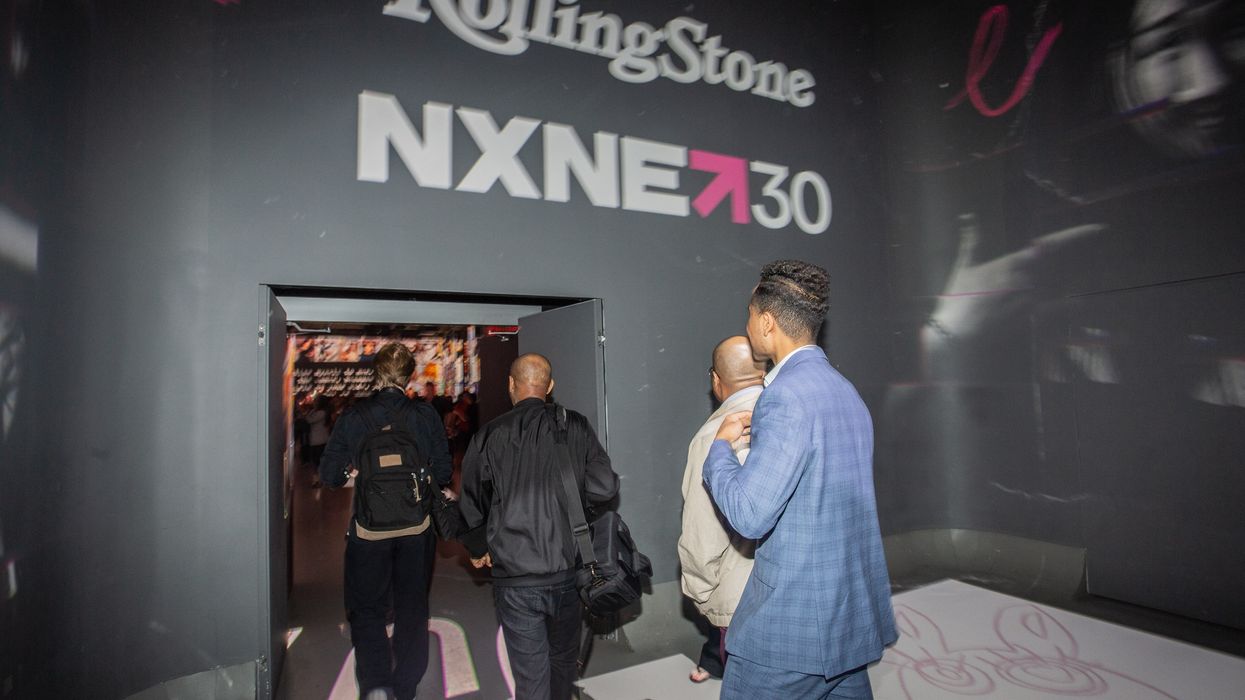
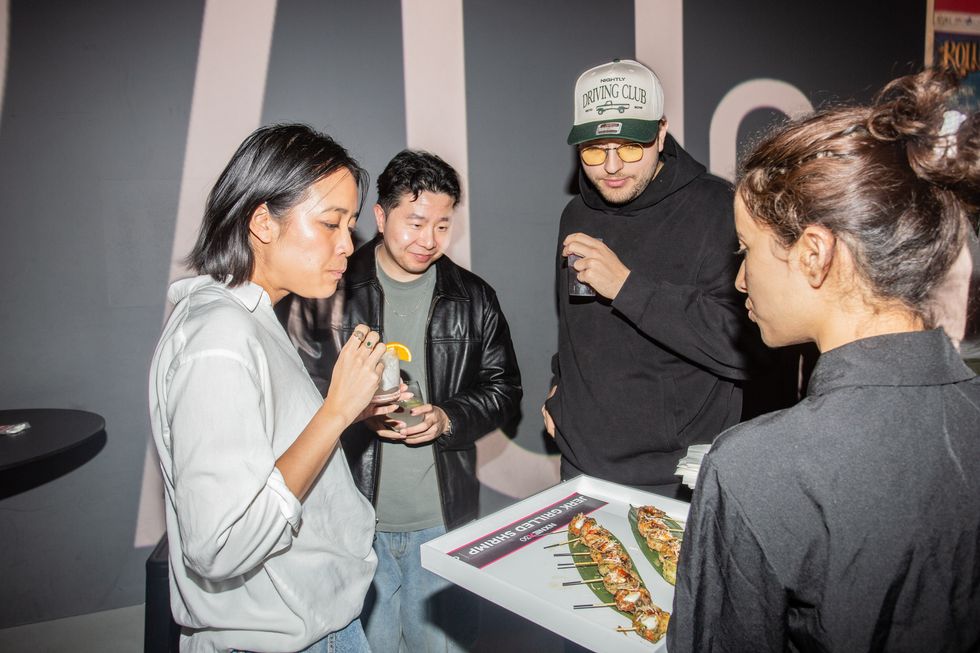
On May 13, NXNE offered a preview of its 30th anniversary celebrations with a spectacular programming launch party that set the tone for an edition focused on innovation, renewal, and creativity. Held at Toronto’s Illuminarium, the event gave an exclusive audience—made up of media, industry professionals, and VIP guests—a first look at Rolling Stone Presents: AMPLIFIED, the Immersive Rock Experience.
From the moment they entered the space, guests were immersed in a sensory world that pushed the limits of technology, with advanced 4K projection, 3D audio, haptic flooring, and an immersive environment spanning over 7,000 square feet. The show traces the history of rock while making it vibrate and move.


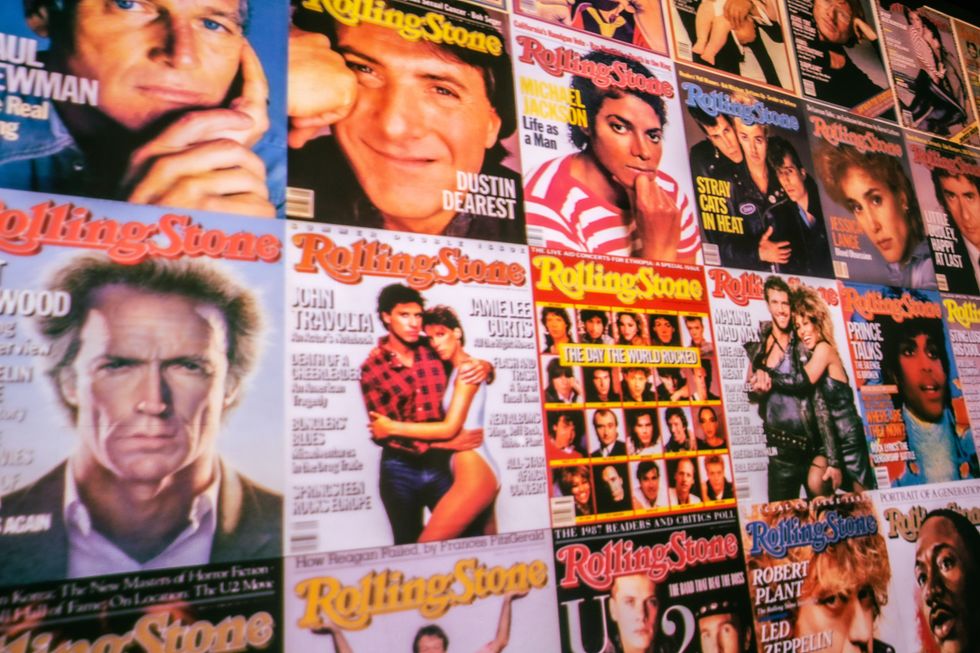
Conceived by Jodi Peckman (former Creative Director of Rolling Stone) and Joe Levy (former Editor-in-Chief of the magazine), the AMPLIFIED experience presents a thematic, non-linear narrative that explores backstage stories, studio sessions, political messages, fans, and much more. Narrated by Kevin Bacon and accompanied by a soundtrack featuring over 300 artists, the installation brings together more than 1,000 photos, 200 videos, and 1,300 Rolling Stone covers.
Highlights include the voice of Aretha Franklin, a rare Radiohead studio excerpt, the iconic hairstyles of Elvis and Justin Bieber, and a nod to Chappell Roan and her Pink Pony Club. The floor morphs into a garden, a studio carpet, or a club floor, while the walls pulse with images and music. The effect is complete—sensory and intergenerational.

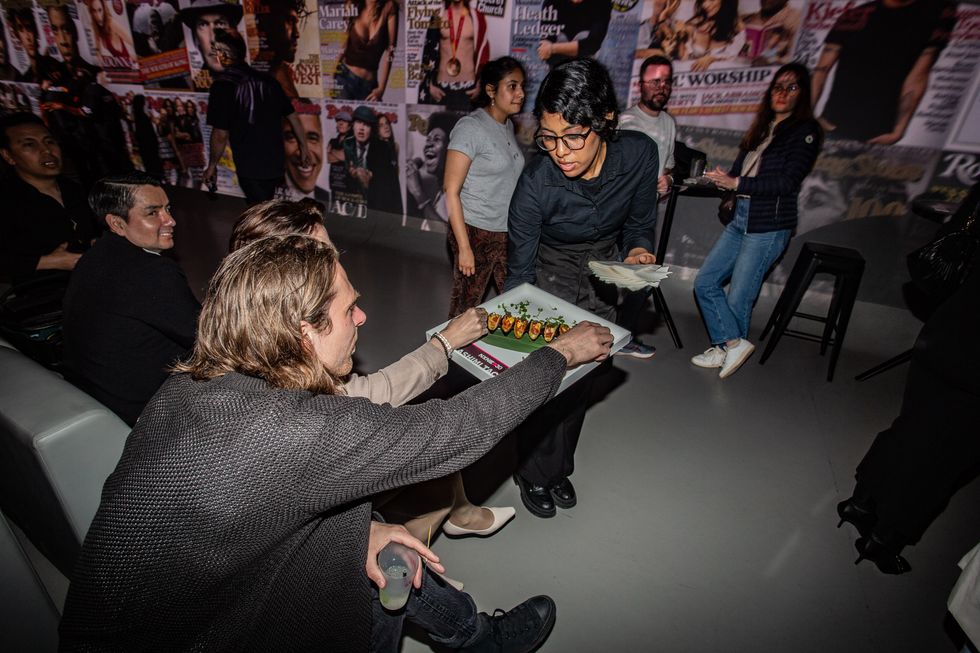
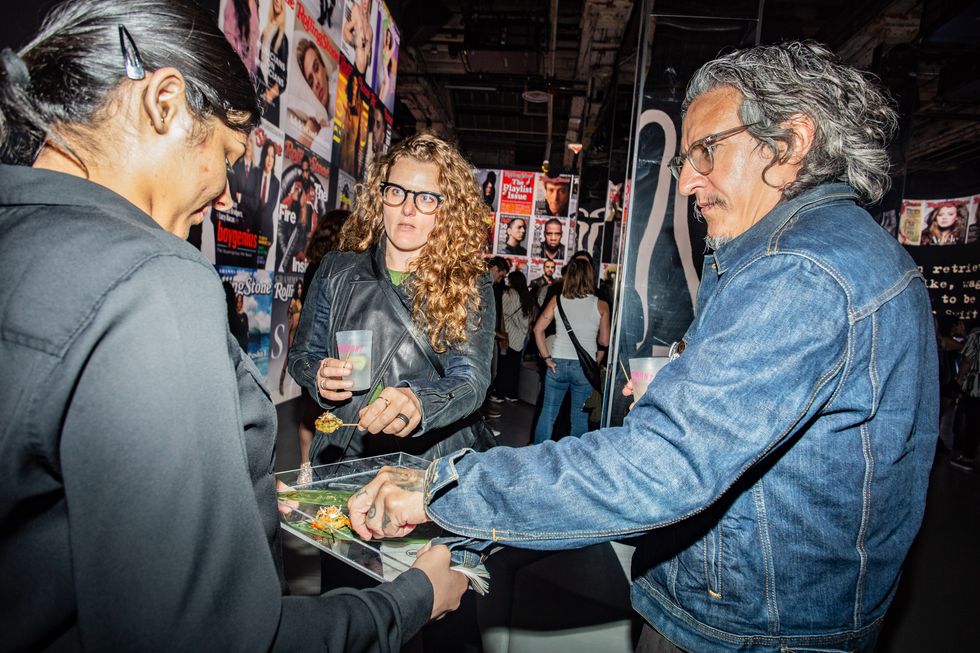
After the screening, the evening continued in a festive atmosphere. Guests enjoyed gourmet bites by renowned local caterer Food Dudes and refined cocktails courtesy of Distillerie de Montréal, before being treated to an immersive DJ set by the enigmatic Sickick.
“For thirty years, NXNE has propelled talent to the international stage, fueled discovery, and created major cultural and economic impact. But its true strength lies in its commitment to equity, accessibility, and the belief that great talent can come from anywhere,” said Elizabeth Crisante, Chief Commercial Officer at AMG, the parent company of NXNE and Rolling Stone Québec. “Rolling Stone shares this mission. Since 1967, the publication has documented the evolution of music and society, giving a voice to movements, uncovering truth, and spotlighting the artists who shape our world. In Canada, we carry that legacy forward by creating new avenues for artists to be seen, heard, and celebrated.”

In addition to marking NXNE’s official launch, the event allowed key players in the music and media industries to connect and exchange ideas, paving the way for new collaborations. With AMPLIFIED as a starting point, the festival promises to go beyond traditional formats to reinvent our relationship with music.
Rolling Stone AMPLIFIED is on view at Illuminarium Toronto until the end of summer, before making its way to Montreal. For more information, visit the Illuminarium website.
Keep Reading
Show less
Featured Stories
Don’t Miss Out
Journalism that matters. Music that inspires.

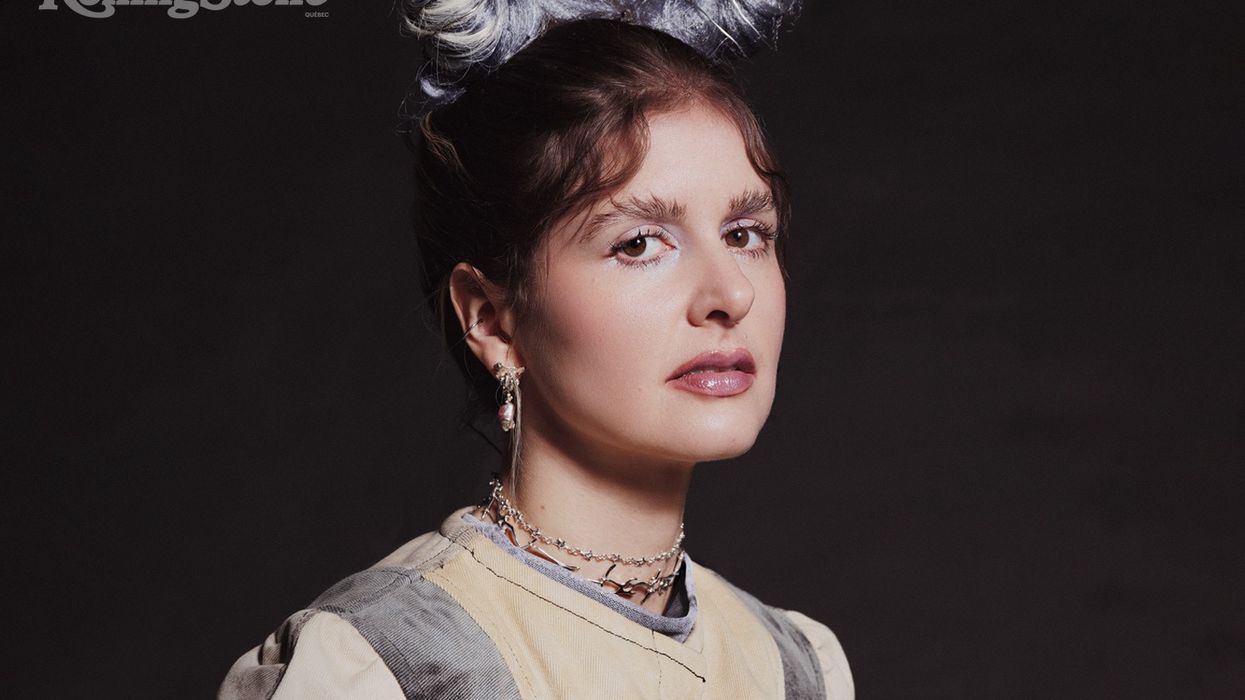
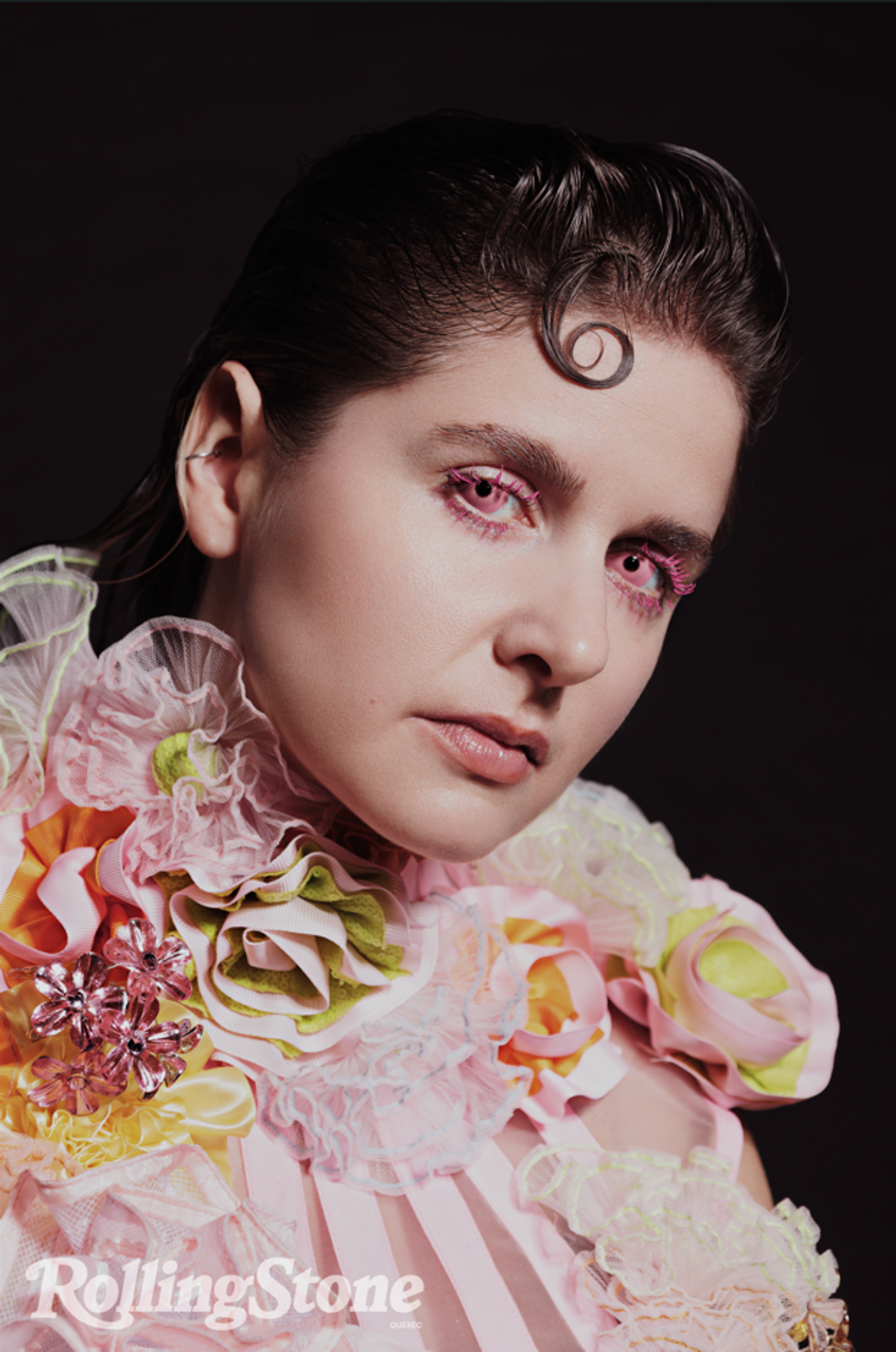
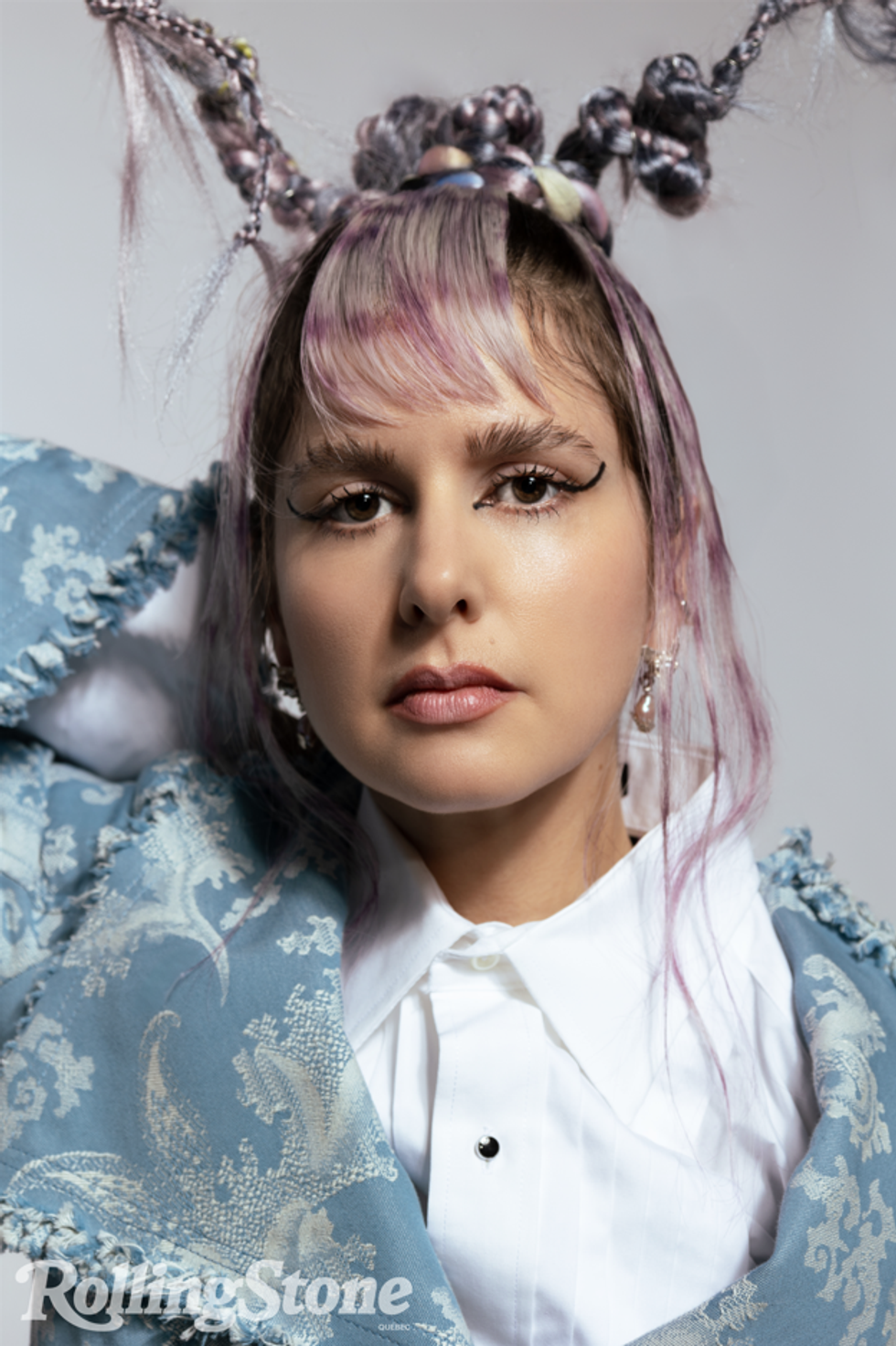
Photographer: Raphaëlle Sohier/Photo production: Bryan Egan/ Blazer: Tishanna Carnevale/ Skirt : Jade Simard/ Heels: Black Suede Studio/ Jewelry: Marmo & Epiphites/ White blouse: Maison Maire
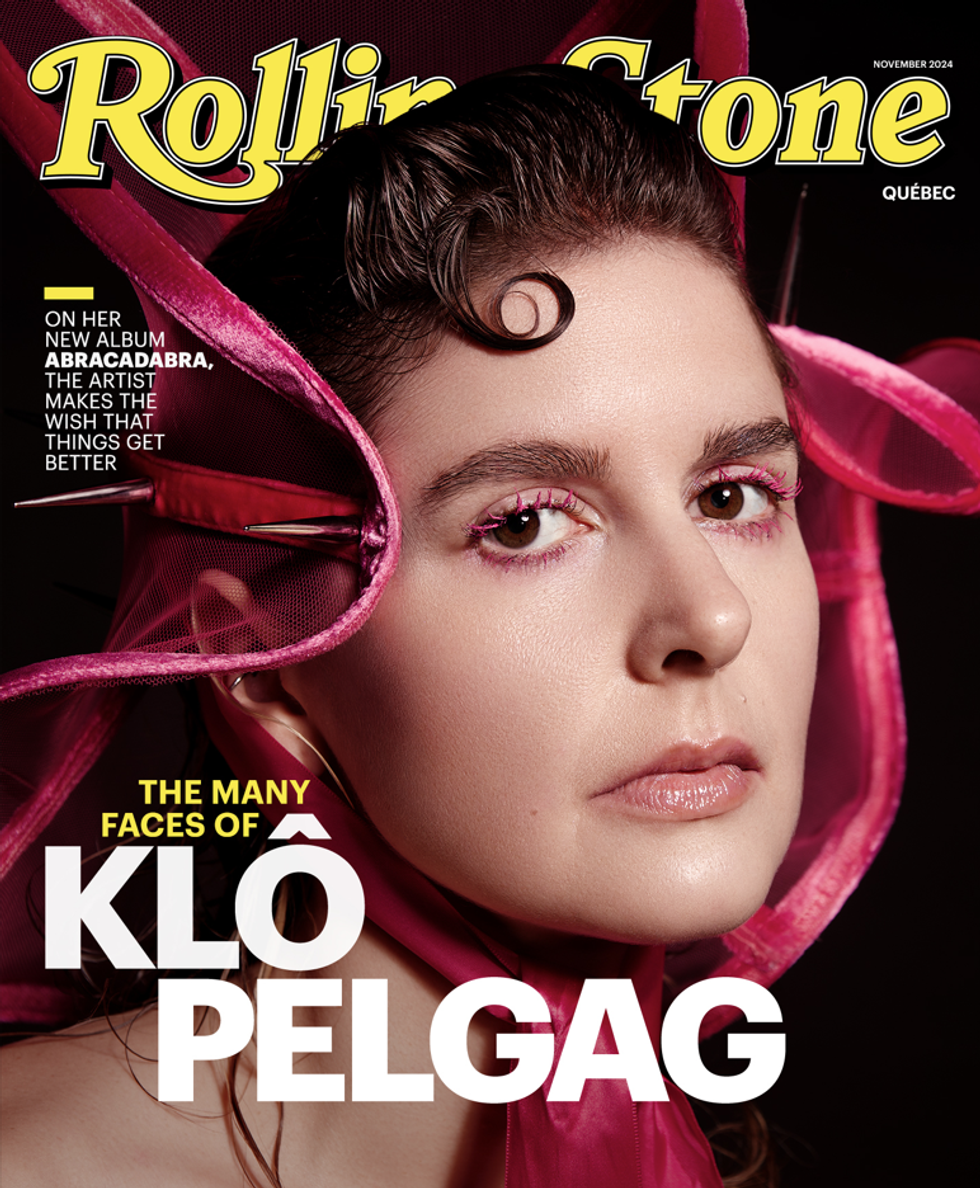
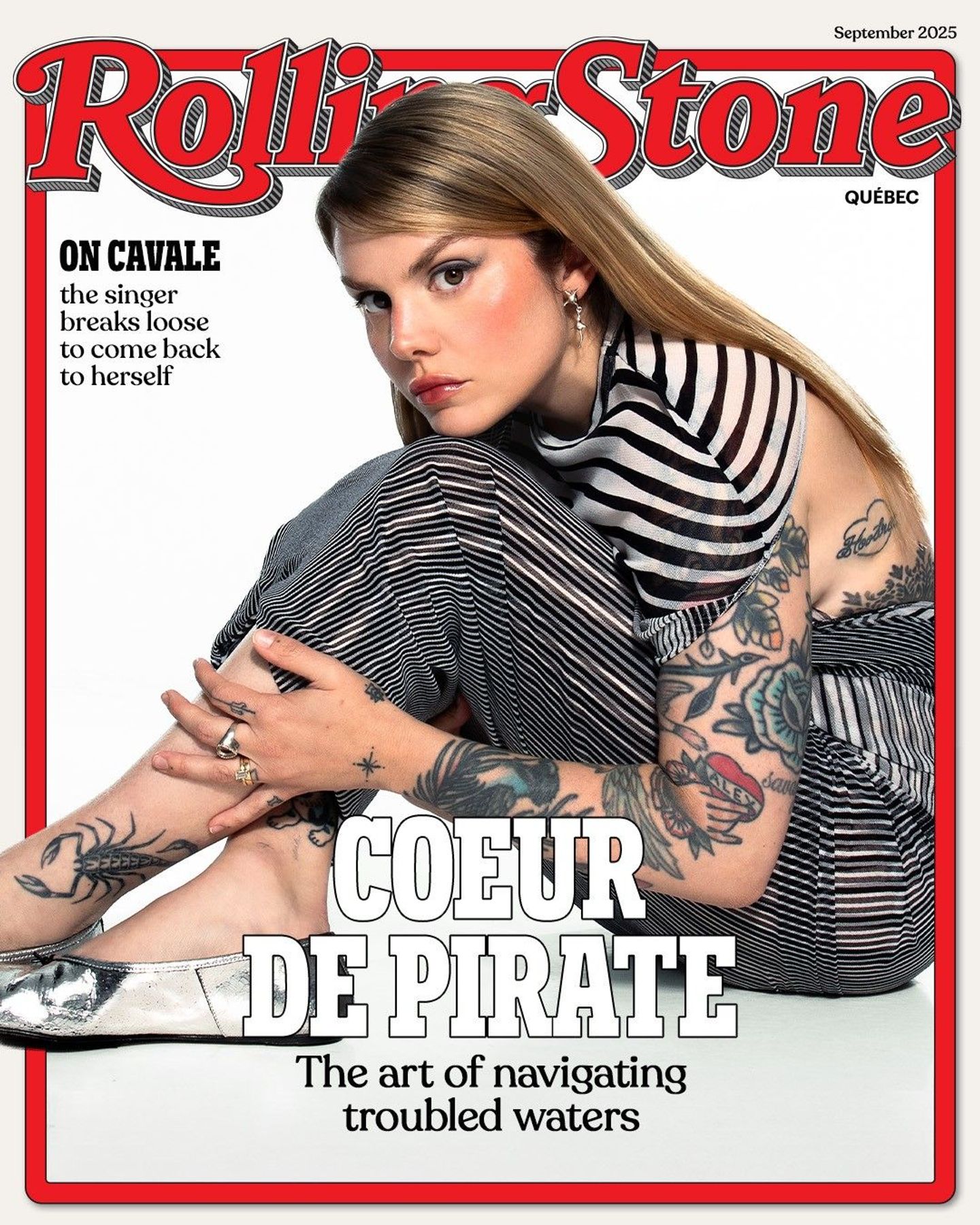
On «Abracadabra», Klô Pelgag proves she still has the magic
Nov 15, 2024
Anyone who has seen Klô Pelgag on stage can attest to her untamable energy, punk spirit, and refreshing spontaneity. "I really enjoy sweating and being out of breath," she says. "Feeling a little drained after a show is the best." The artist, who I met with on a rainy day, is the polar opposite of her onstage persona: today, she’s gentle, thoughtful, and introverted. Her soft, calm voice contrasts with the loud bustle of the crowded restaurant where we’re seated.
These different facets of Chloé Pelletier-Gagnon coexist harmoniously within her. After all, we are all made of paradoxes and multitudes. "Sometimes, I feel more like myself on stage than when I bump into someone I vaguely know at the grocery store and engage in small talk. That’s when I struggle!" she says, laughing.
Fortunately, our conversation is anything but small talk: we delve deeply into what drives the artist—her search for happiness and freedom, her anxieties, the pressures of life, and, more recently, the weight of motherhood. But also, the immense joy of innovation, creation, and performance. To chat about all of this and more, Klô suggests we meet at a beloved Montreal institution, Phò Lien in Côte-des-Neiges, a place she holds dear. A place that, as one might say, mirrors her: unpretentious, but of undeniable quality.

She has just returned from a vacation in the Bas-du-Fleuve, a region located along the south shore of the lower Saint Lawrence River, where her family’s ancestral home is located. "It’s the place I go when I have time. I always forget how beautiful it is. It blows my mind," she marvels. "It’s so beautiful in the summer! The light at all times of the day, the sunsets…"
The Montreal-based artist seems visibly rejuvenated and rested from the stay. It should be noted that we are meeting during a quiet period, just a few weeks before the media whirlwind that will surround the release of her fourth album, Abracadabra. One of the most anticipated releases of the fall, Klô Pelgag has been one of Quebec’s most prominent artists for the past ten years.
Her previous effort, Notre-Dame-des-Sept-Douleurs, was a massive success. It earned her 13 Félix awards in 2021, not only tying a record set by Céline Dion but also bringing her impressive trophy collection to 20. To top it off, she was shortlisted for the Polaris Prize that same year. Nothing to alleviate the pressure that comes with creating a new album.
"Ideally, I want as many people as possible to love the latest thing I’ve done, but I have no control over that," she says. "It’s also a trap, receiving a lot of recognition. I knew it at the ADISQ, when I got my Félix awards. It’s really fun to receive them, but I shouldn’t get too attached because it’s a bit dangerous. When you get something, you always want more."
One of my biggest fears is repeating myself and falling into a certain comfort zone.
That previous album was specifically crafted in response to the burnout she experienced following the release of her first two records, L’alchimie des monstres and L’étoile thoracique, which came out in 2013 and 2016, respectively—a not-so-distant time when mental health for artists was hardly considered. "We didn’t talk about it. Then, the last album came out during the pandemic, and at the same time, I became a mother, which changed my perspectives on everything," she says just before ordering a rare beef phò.
Indeed, she touches on her experience of motherhood in the beautiful song Lettre à une jeune poète (‘Letter to a Young Poet’), where she addresses her daughter with disarming vulnerability and introspection, singing heartbreaking lines like: "I gave you life, I could make you want to live it."
"Right now, things are going well, but in moments when they’re not, it can get pretty deep," she explains, searching for the right words to detail her thoughts. "I find it so heavy to bring someone into the world. You know, being their first link to the world. It’s so important. It’s huge! We don’t always realize how much it defines what we become."
From a practical standpoint, motherhood has also impacted the creative and recording process of Abracadabra. "Honestly, it happened quickly, it was like a burst. I went away for three days a few times to work day and night—with a young child, I can’t work until 4 a.m. every day anymore, you know. I had this sense of urgency: I have to do it now. There’s that, and also, the fact that… I don’t want to say like everyone else that I have an attention deficit, but kind of. I feel like it has to go fast, or I’ll lose interest. When I’m in my zone, I like to throw everything I can at it."

Klô admits she was gripped by intense anxiety during the album’s creation. "I’ve always felt that at the start of every album. It’s like the ground is slipping from under my feet. But it also comes with a certain excitement. It’s a whirlpool, but I still have a lot of fear and anxiety about it. Am I still able to do it? Is it still relevant? My approach to music is probably way too intense, for nothing."
What does she mean by that, exactly? "In the sense that it’s almost a matter of life or death. A lot of musicians feel that way—it’s the most… it’s like…," she trails off, thinks, hesitates. Clearly, she doesn’t take these things lightly. "Yeah, I don’t take it lightly at all, but I’m trying to work on that. I think it even shows in my music. I’ve learned to see it because people have told me, but there’s something a little epic in my songs, very much like, ‘aaaaahhh!!!,’" she exclaims, throwing her hands up dramatically, finishing her thought with a hearty laugh.
It’s true that Klô Pelgag’s music doesn’t lean towards minimalism, even though she has toyed with the idea of making a stripped-down album for several years. "It’ll happen someday, but it has to be the right time. I still have a lot of tenderness in me." I can attest to that, but in the meantime, the artist has a lot of emotions to externalize in her new collection of songs, which, true to her repertoire, is rich and dense with string and synthesizer arrangements, giving her music a larger-than-life feel.
As our discussion shifts to the cohesion between her imaginative lyrics and music, she shares that she has recently experimented with creating music without lyrics. "You know, there are songs where the words are just syllables or even a single word, like ‘yogurt’. They’re sounds that don’t mean anything… I tried doing that!" she says, amused. "In the end, I didn’t finish the song. I find it difficult. But I’m impressed—a lot of artists add the lyrics at the last minute. Wow! Because it’s different from what I do, I find it fascinating."
In preparing for this interview, I noted how fundamentally free Klô Pelgag seems as an artist, creating without any constraints. Before I even bring up the subject, she begins a reflection out loud: "I’ve questioned freedom a lot in recent years, because I’ve been so defined as someone who is free; it’s what people say about me the most. I understand why people think that, but at the same time, I don’t feel free. There’s something in creation that can become a bit of a prison."
To escape that prison, she’s come to the wise conclusion that it’s healthy not to put all your eggs in one basket. "You have to develop other aspects of your life, that’s what I’m realizing as I get older. Finding balance. Most people who make music, like me, are seen as weirdos at some point in their lives. Then you feel accepted when people like what you do. So you say, ‘music saved my life!’ It gives a sense of approval. But that’s not necessarily the right way to be okay with yourself. Confidence has to come from within, not from others."
This all brings us back to the pursuit of happiness—fragile and fleeting—a theme that’s very present in Klô Pelgag’s work. Happiness is often illusory for people in public professions like hers, she observes. "We often feel like we’ve accessed something, but in reality, the happiest people I’ve met are just comfortable being alone; they don’t necessarily need others."
Abracadabra, the fantastic title of her new album, precisely references this quest for the absolute. She utters this magic formula on her song Jim Morrisson, expressing a desire to "belong to a perfect moment."
"In that word, there’s hope of finding a formula that would fix everything that’s wrong," she explains, describing herself as highly sensitive. "Everything that happens, like genocides, hits me hard. It has a big influence on how I live daily—that’s something else I need to work on, I guess! It’s tough. Also, this album was created post-pandemic, where it seems like people are even more violent, angrier, more psychologically distressed. Abracadabra is a bit of all that: make something happen so things get better… And, I thought it was really funny to call my album that!"
In the midst of these great—and healthy—introspections, Klô Pelgag pauses the flow of her thoughts. "Behind this album are all these reflections that are difficult to express… you know, the exercise of doing interviews. I’m trying to understand what I’ve done to be able to talk about it, but it’s hard to talk about what I do!"
I take this opportunity to ask about her relationship with the media and how comfortable she feels doing interviews. "In general, I’d say it makes me very anxious, but it really depends on the fit, like everything in life. It’s harder on television; you feel like you have to get straight to the point, say what you have to say quickly."
She’s getting used to it, little by little, though she’s still careful not to expose herself too much in situations where she doesn’t feel at ease. "Questions like ‘what colour defines you?’—I never know what to say! I’ve been attributed this image of being a bit goofy or funny, but I prefer saying things the way they are. I’m also a bit modest, especially in this era where everyone shares absolutely everything about themselves and their personal lives on podcasts. I don’t quite fit with the current trend."
Later in the conversation, she also mentions her discomfort with being recognized in public places. "When I started making music, it was so naive. I never wanted to be ‘someone.’ I like being incognito."
This refusal to compromise in both her personal life and artistic creation is part of why she’s so often described as a ‘free’ artist, even if it closes some doors. "None of my songs have played on commercial radio, and I accepted that a long time ago," she comments. "We all have our prisons, like I said. At least that’s not one of them for me. In a way, I have freedom because I don’t feel like people expect anything from me other than to be myself. That’s the most beautiful thing. I feel lucky."
When I go to the grocery store and hear the radio, I really don’t see how my music could play there!
So no, you won’t find out what colour defines Klô Pelgag. But here’s a scoop: her favourite season is fall. On Libre, she sings: "Autumn finishes you/The colours hide your sorrow/I stay for the winter/Your storm will be mine." And on Décembre, a standout song she describes as "a bit metal on the edges," she evokes "the end of autumn, when nothing forgives anymore."
She smiles when this observation is made. "There’s more of that on this album, right? Décembre is a song about seasonal depression, basically. Le goût des mangues is about seasonal depression too. Well… I think I have seasonal depression!" she concludes with a laugh, before elaborating.
"You know, in Québec, we experience the seasons more intensely. They have a real impact on our mood and emotions; it’s wild! That’s what I find beautiful about living here. And there’s no escaping it. In the spring, everyone goes crazy, like everyone’s a little high on the season! Then, summer, you have to live it—you go canoeing, you go camping—because we don’t have much time! Fall, it’s so freaking beautiful. It’s my favourite season."

For the first time in her career, Klô Pelgag fully produced her album, a process she describes as "very solitary" and filled with doubt. "It’s hard to have confidence in what you do. Pierre Girard, who mixed the album, really encouraged me to record at home, to do my vocals, and to record the piano and synthesizers, but… When I started in music, you know, it was unimaginable. It seemed like ‘recording’ was a job I couldn’t touch. So I developed that, but it comes with some frustration: all the technical stuff, it’s heavy. Transferring tracks, sending them…"
All the steps of album production that we rarely think about when listening but that are crucial to the final result. "Yes, exactly. There are so many things we could have done in a studio with the best people in the world, and it would never have sounded the same because it’s someone who doesn’t have the same instincts’ approach. It’s always interesting when a non-actor plays a role; it can create something really special. It’s still part of the signature."
This technical experimentation, which she began on Notre-Dame-des-Sept-Douleurs, is pushed even further on Abracadabra. Listening to these 12 new songs, the fun Klô Pelgag had in crafting and orchestrating these grandiose and wildly creative arrangements is palpable. Despite the anxiety, she clearly had a blast.
"Oh yes, absolutely!" she confirms enthusiastically. "When I was in the heat of creating something new, I really had fun. That’s what I’m looking for: pushing my limits and growing in them. All the resources you find within yourself to do what you do, there’s nothing more beautiful. It makes you feel alive."
Intuitively, I tried to make songs as different from each other as possible because I love experimenting with lots of things.
Her unique way of biting into the words she sings, with her distinctive phrasing and expressive voice, remains a key part of her signature. On some tracks, like Coupable, she particularly plays with her intonation, slicing and stretching syllables. I dare a poor imitation to explain what I mean, which makes her laugh. "With one of my musicians, we listened a lot to a Turkish singer named Gülden Karaböcek. In the studio, he said, ‘Ooh, Gülden Karaböcek, influence!’ I hadn’t thought of it, but sometimes things just pop up."
As we discuss more about the instrumentation on Abracadabra—"I often treated the synthesizers like an orchestra instead of automatically putting in strings," she notes—Klô showers praise on her musicians Étienne Dupré, Pete Pételle, Virginie Reid, and François Zaïdan. "I’m lucky to be surrounded by such great people. Every time I sent them stuff, they were into it. And they all told me it was their favourite album. I try not to take my motivation from others, but coming from people I respect, it’s a nice thing."
The artist has been loyal for several years to this core group of collaborators, who accompany her both in studio and on tour. "For me, they’re a sort of family because we share everything: we cry, we fart, we sleep together… It’s quite an intimate connection!"

When we meet, Klô Pelgag is just about to start rehearsals with them for her upcoming shows. "I’m really looking forward to playing shows, but I saved that for later in 2025—I don’t even know why," she laughs. "But maybe it’s good to create anticipation, to be excited about it."
Over the years, she’s treated us to absurd surprises, flamboyant costumes and makeup, and jaw-dropping performances. Fans will remember her delightful fruit-themed show that capped the L’Alchimie des monstres tour, as well as Vivre, her pandemic "spectral show" featuring fried chicken, a parachute game, and Hazmat suits.
What magic tricks does she have up her sleeve for the Abracadabra tour? That remains a mystery. "Improvisation on stage is very important to me. Last year, I toured solo in a format where it was just my microphone and my piano. The concept was really to not have a setlist, to play different songs, so it was never the same, and I was never safe."
The show offers everything the album can’t. It’s another dimension opening up.
It’s hard to believe, looking back at her impressive career, that unlike many other artists, Klô Pelgag never dreamed of making a living with her art, during her youth in Sainte-Anne-des-Monts, Gaspésie. Sure, she and her brothers learned to play the piano—she describes herself as a "very undisciplined" student, shocker!—but her parents, both social workers, weren’t particularly into music. That didn’t stop the family from being proud of her father’s uncle, "little André [Gagnon], who became a great international musician."
It was when she moved to Montreal to study at Université de Montréal that she gave music a shot, with the success we know. When I ask if she sees herself doing this for a long time, her reaction surprises me: "Making music? I don’t know!" she says with a burst of laughter.
Klô Pelgag isn’t one to project herself too far into the future. "Life changes so much. Maybe it would be fun to tour with two other girls and play our old songs!", she jokes, referencing Marie Carmen, Joe Bocan, and Marie Denise Pelletier’s show Pour une histoire d’un soir. "Or maybe I’ll be in the Bas-du-Fleuve and won’t want to see anyone."
Or perhaps she’ll return to school, she cautiously suggests. It’s an idea that occasionally crosses her mind but remains very tentative for now. "I often look at programs online and then close the site. I’m not that daring." The community sector and health counseling world speak to her greatly, though she doubts she has the psychological strength needed for that kind of work.
I offer a well-worn cliché: doesn’t she already provide a form of emotional support to her audience through her music? "Sometimes I get messages on social media, but I never know what to answer. I find the connection we can have on there is limited," she says. "But yes, music can have a lot of benefits, because it does that for me too."
All of this brings us back to the stage, the ultimate place where the connection between her and her fans happens. Her eyes suddenly light up: "There’s a communion unlike anything else in life," she rejoices.
A communion that makes her belong to a perfect moment. "My mother came to one of my shows this summer, and she told me everyone was crying! Something happens, a connection that comes with music. It’s the most beautiful thing, being able to communicate that way. That’s why I can’t wait to perform." Abracadabra!
Keep Reading
Show less
DNC Brings in Higher Ratings Than RNC All Four Nights
Aug 23, 2024
The numbers are in, and the viewership of the Democratic National Convention blew last month’s Republican National Convention out of the water.
Early numbers by Nielsen Fast Nationals indicate that the final night of the DNC garnered 26.20 million viewers across 15 networks, compared to night four of the 2024 RNC Night 4 at 25.4 million viewers.
The DNC drew in more viewers across 12 different cable and broadcasting news networks all four nights of the convention. 20 million on Monday, 20.6 million viewers on Tuesday, 20.2 million on Wednesday, and the estimated 26.20 on Thursday.
By contrast, the RNC drew in 18.1 million, 14.8 million, 18 million, and 25.4 million viewers on each of its respective four nights.
These numbers don’t even factor in the hundreds of thousands who viewed the convention on independent streaming services like YouTube, Twitch, and other social media platforms.
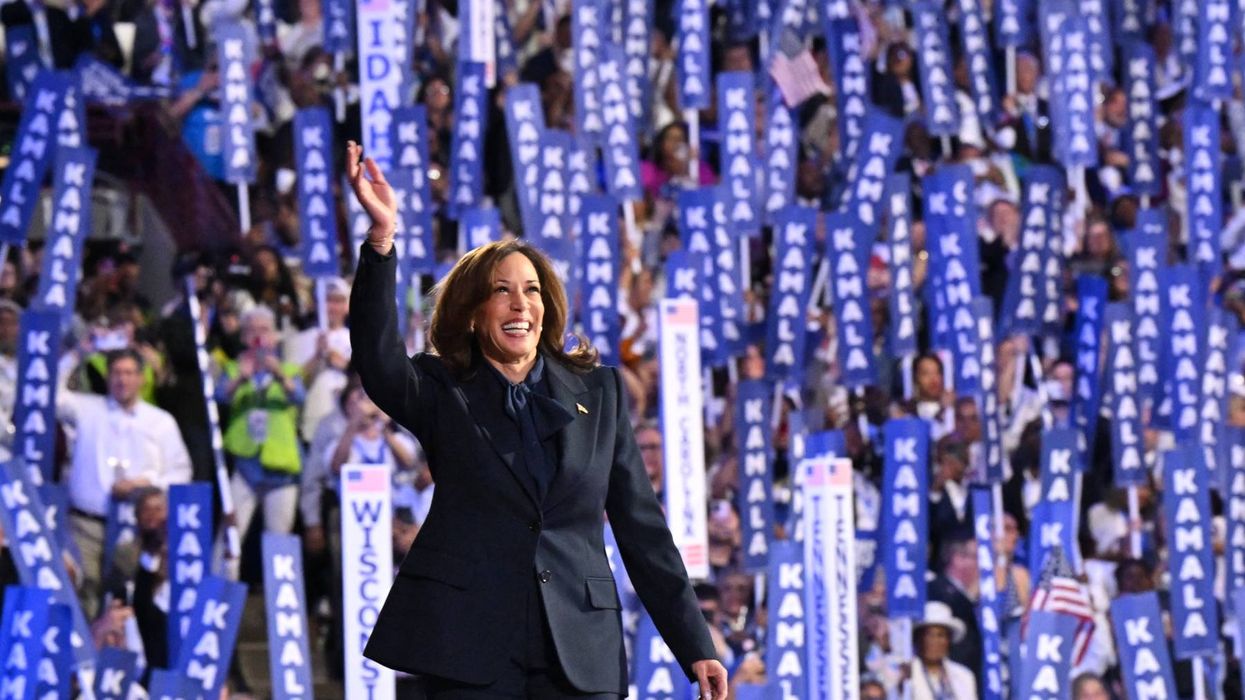
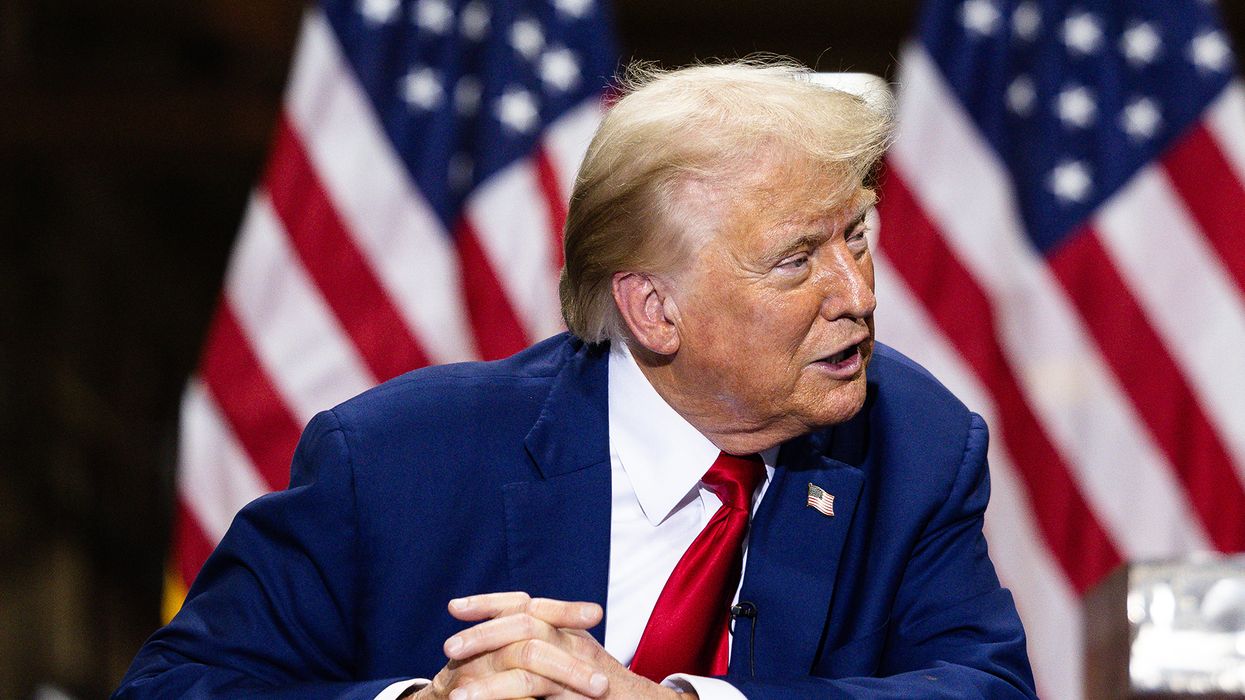
During Vice President Kamala Harris’s nomination speech on Thursday her opponent, former President Donald Trump, spiraled into a multi-platform meltdown that continued into Friday.
One factor driving the former president’s unraveling might be his concerns that more people are paying more attention to Harris than to him. As previously reported by Rolling Stone, days before the convention even began, Trump was badgering his media and political allies for reassurance that the DNC would have fewer viewers than his own convention.
From ratings to crowd sizes, the former reality TV star has harbored a longtime obsession with quantifying how much people like him — a fixation that Democrats made a point to poke fun of during the convention.
On Tuesday, Former President Barack Obama — who Trump famously, and falsely, claimed had a smaller inauguration crowd than him — mocked his successor’s obsession with size as a sign he was that he was compensating for … other deficiencies. The viewership of the DNC isn’t the only metric through which Harris is trouncing Trump. According to July’s fundraising numbers, the Harris campaign more than quadrupled the former president’s cash haul last month — a staggering $204 million compared to Trump’s $48 million.
Keep Reading
Show less
Marketer Behind Fake Quotes in ‘Megalopolis’ Trailer Dropped by Lionsgate
Aug 23, 2024
Eddie Egan, a very real marketing consultant, lost his gig with Lionsgate this week after the studio discovered that quotes he used in a trailer for Francis Ford Coppola’s Megalopolis were fabricated, according to Variety.
The conceit behind the teaser, which Lionsgate recalled on Wednesday, was that critics had trashed Coppola’s masterpieces throughout the decades, so why trust them? Except that the critics quoted didn’t actually write any of the pith. A quote attributed to Pauline Kael that was said to have run in The New Yorker, claiming The Godfather was “diminished by its artsiness,” never ran.
It’s likely that the consultant used A.I. to generate information, a source familiar with the matter told Rolling Stone, who adds it was never the studio’s intention to fabricate quotes and said that when the studio realized there was a problem, it reacted immediately and apologized.
Variety reports that a prompt to ChatGPT for negative press around Coppola returned similar statements but that in reality Kael loved The Godfather.
Egan did not return Rolling Stone’s request for comment. Neither did a rep for Lionsgate.
Egan has been an independent contractor since parting ways with STX film group in 2019. While at STX and previously at Universal, Variety reports, that he worked closely with Adam Fogelson, who’s now Lionsgate’s film group chairperson.
“Lionsgate is immediately recalling our trailer for Megalopolis,” the company said in a statement Wednesday. “We offer our sincere apologies to the critics involved and to Francis Ford Coppola and American Zoetrope for this inexcusable error in our vetting process. We screwed up. We are sorry.”
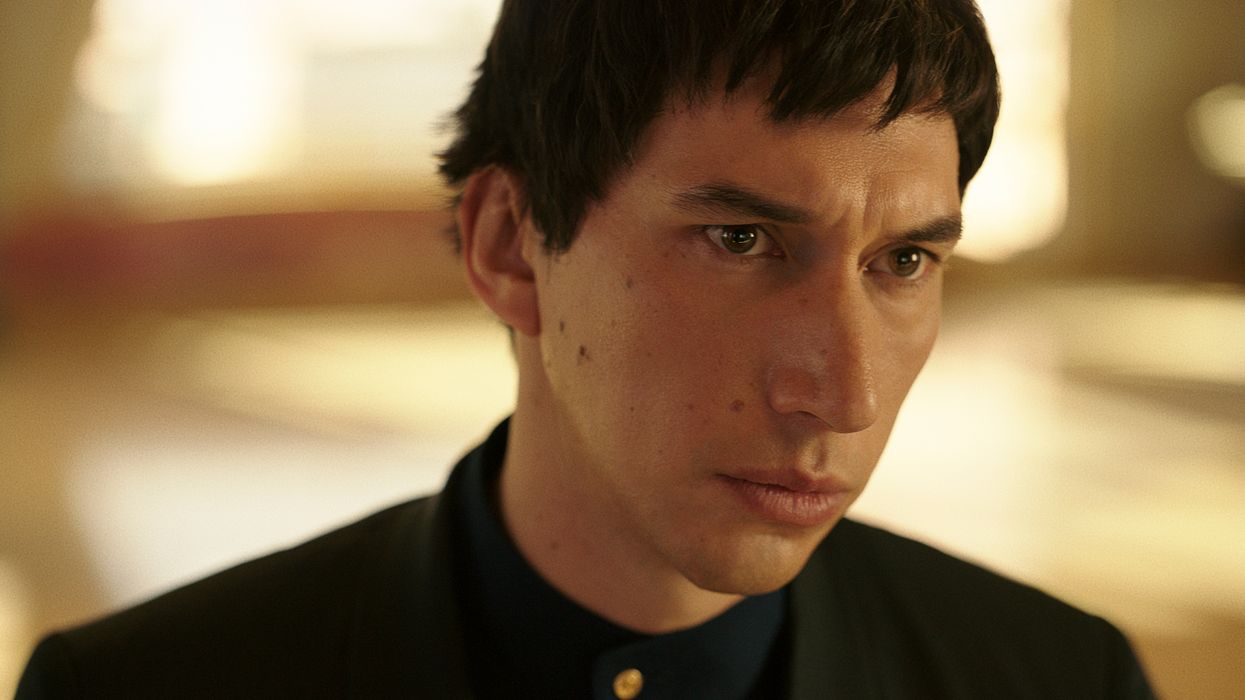
Coppola’s Roman epic Megalopolis, which stars Adam Driver, Giancarlo Esposito, and Nathalie Emmanuel, is set to come out Sept. 27.
Rolling Stone’s bona fide film critic, David Fear (also a real name), praised the movie when it premiered at Cannes. The following quote is verifiable, and you can fact-check it.
“Say what you will about this grand gesture at filtering Edward Gibbon’s history lessons through a lens darkly, it is exactly the movie that Coppola set out to make — uncompromising, uniquely intellectual, unabashedly romantic (upper-case and lower-case R), broadly satirical yet remarkably sincere about wanting not just brave new worlds but better ones,” Fear wrote. “Does it sometimes feel as if it’s distilling decades’ worth of book-club readings and coffee-klatch conversations into a tightly packed two hours? Yes. Was it worth the wait? Dear god, yes.” (Fear’s choice of Roman font, pun intended, and italics are also very real.)
Keep Reading
Show less
Fact Checkers Try to Shield Trump From Project 2025’s Abortion Madness
Aug 23, 2024
One of the odder features of American journalism is that the columnists who hold themselves out as “fact checkers” and review claims made by politicians — calling balls, strikes, and “pinocchios” — are unusually terrible at it.
Fact checkers offered up several botched reviews of content from the Democratic National Convention, but nothing has broken their brains like Democrats’ sustained attacks on Donald Trump over Republicans’ anti-abortion agenda, which is laid out in gory detail in conservatives’ Project 2025 policy roadmap.
The former president has actively attempted to run away from Project 2025, because the policy goals laid out in the 887-page blueprint are deeply unpopular. Trump has claimed, “I know nothing about Project 2025, [and] I have no idea who is behind it.” On Thursday, he again claimed to “HAVE ABSOLUTELY NOTHING TO DO WITH” it.
It’s an absurd claim: The policy manual was written in large part by former top Trump administration officials — and when he spoke at a 2022 event hosted by the Heritage Foundation, the think tank behind Project 2025, Trump said: “This is a great group, and they’re going to lay the groundwork and detail plans for exactly what our movement will do and what your movement will do when the American people give us a colossal mandate to save America.”
As Rolling Stone has reported, sources say that Trump has been directly briefed by confidants and close aides on Project 2025’s substance and progress. Top officials involved with the project are expected to have senior roles in a Trump administration.
Instead of fact checking Trump’s clearly false claim that he knows nothing about Project 2025, fact checkers have decided they — and everyone else — must simply take him at his word. Further, Democrats must be punished for tying Trump to its unpopular policy proposals.
The Poynter Institute’s Politifact already beclowned itself earlier in the week by declaring it was unfair of the DNC to broadcast a video of Trump from 2016 saying “there has to be some form of punishment” for people who have abortions, because he “walked back the comment.”
On Thursday, Politifact’s staff reviewed Vice President Kamala Harris’ claim that Trump “plans to create a national anti-abortion coordinator and force states to report on women’s miscarriages and abortions.”
Politifact deemed Harris’ claim “mostly false” because Project 2025 “isn’t Trump’s plan,” adding that “Trump and his campaign have repeatedly said they were not involved in the project and Trump is not listed as an author, editor, or contributor.”
It’s hard to say how inappropriate this is, but things quickly got worse.
“Project 2025 doesn’t mention a ‘national anti-abortion coordinator.’ The document calls for a ‘pro-life politically appointed Senior Coordinator of the Office of Women, Children, and Families,’” Politifact wrote. “It says the U.S. Centers for Disease Control and Prevention’s abortion surveillance and maternal mortality reporting systems are inadequate and proposes withholding federal money from states that don’t report to the CDC how many abortions take place in their states.”
These are virtually the same things.
The article also pans Harris’ supposedly “predictive” claim that Trump wants to “enact a nationwide abortion ban,” noting that “Trump said this year he would not sign a national ban.” This is true — but shortly before the former president announced that abortion should be a state issue, he openly mulled endorsing a national abortion ban.
It’s obviously worth considering, too, that Trump appointed three conservative Supreme Court justices whose votes were essential to overturning Roe v. Wade, allowing states to ban abortion — an accomplishment he openly brags about.
Politifact concludes that Harris “exaggerates Trump’s abortion agenda by tying him to Project 2025 ‘allies.’”
Is it really a journalist’s job to declare with certainty that the issue position Trump has settled on, as a matter of politics, is exactly what he would do as president? Absolutely not. It’s even more irresponsible coming from pundits holding themselves out as “fact checkers.”
If that is indeed their job, they should throw in the towel.
Keep Reading
Show less
Load More
Rolling Stone Québec
ROLLING STONE QUÉBEC is a registered trademark of ROLLING STONE, LLC, a subsidiary of Penske Media
Corporation.
©2025 ROLLING STONE, LLC. Published under license.